
Beginning 1st January 2026, England’s free bus pass eligibility age will increase, continuing its alignment with the national State Pension age. This update, part of a broader government strategy, will delay free travel access for thousands of approaching retirees.
The update is intended to reflect ongoing demographic changes and funding pressures, but the implications for older adults are substantial—especially those turning 66 after 2026.
The Shift in Eligibility Age (Now Matching State Pension Age)
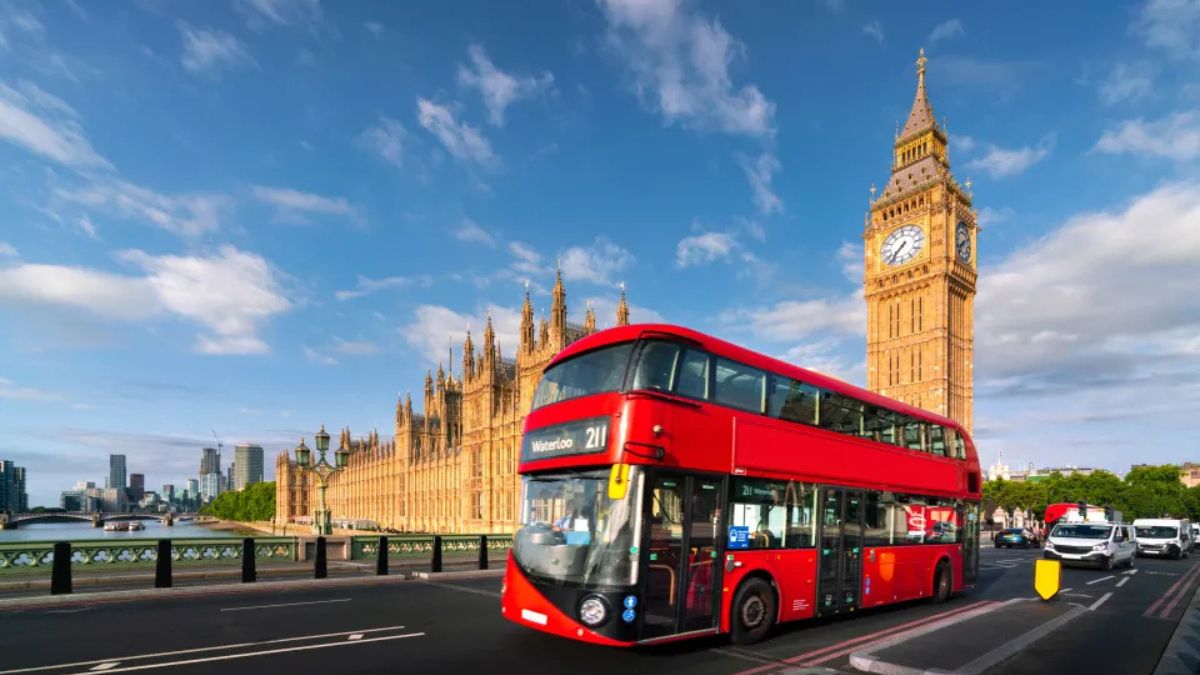
Since 2010, eligibility for the older person’s bus pass in England has been tied directly to the State Pension age. With the government gradually increasing the State Pension age from 66 to 67, the age at which residents can apply for a free bus pass is also moving up.

If you were born between March 1961 and April 1977, these changes mean that you may not receive your free bus pass until your 67th birthday, rather than your 66th. The new waiting period adds an extra financial burden for many planning their retirement and expecting transport relief as part of their benefits.
New Digital-First System for Bus Passes
The Department for Transport (DfT) has announced that from 2026, the bus pass scheme will take a “digital-first” approach to applications and renewals. This aims to improve user experience, enhance security, and reduce environmental impact.
What to Expect:
- Digital Wallets: New passes can be added directly to a smartphone wallet, just like a debit card.
- QR Code Security: Passes will feature live QR codes that refresh regularly, preventing fraud or expired card usage.
- Physical Cards Still Available: Applicants who are not comfortable with digital technology can still request plastic versions, but they may need to specify this preference during application.
The goal is to make the process faster, safer, and greener—though some worry older users may face digital literacy barriers.

Stronger Residency Checks for Pass Holders
From 2026, the government is empowering local councils to enforce stricter checks on residency and eligibility.
Previously, it was easier to apply or renew a bus pass with minimal documentation. But the new system will require:
- Recent utility bills or council tax documentation
- Proof of ongoing residence in the issuing council’s jurisdiction
This change addresses misuse of the system, especially in cases where pass holders have moved to a new region but continue using benefits from their old council.
Latest Stories
 UK Government Confirms New Driving Rules for Over-60s from January 2026 – What You Must Know Now
The new digital system will also allow faster deactivation of passes when someone relocates.
Different Rules Across UK Nations (Scotland, Wales, NI)
One of the most confusing aspects of the UK’s bus pass policy is the devolved nature of transport decisions. While England is raising the age threshold, other UK nations are maintaining more generous policies.
Here’s a quick breakdown:

- Scotland: Residents can still get a free bus pass from age 60.
- Wales: No plans to align with the State Pension age; eligibility remains at 60.
- Northern Ireland: Seniors aged 60 and over can continue to apply for a SmartPass, valid across the province.
This means that your eligibility changes dramatically depending on your address—a factor especially relevant to people who live near UK borders or have family in other nations.
Stricter Evidence for Companion Passes (For Disabled Travellers)
For people with disabilities, Companion Passes allow a caregiver or assistant to travel for free alongside them. But as part of the 2026 update, the criteria for these passes are being tightened.
Now, applicants will need to provide more structured and specific documentation, such as:
- Medical certificates
- Proof of Personal Independence Payment (PIP) components
- Confirmation of mobility-related benefits
This aims to ensure that support goes to those who genuinely require assistance and reduce potential fraud or misuse of the companion travel system.
What This Means for Future Retirees
These reforms may seem administrative, but the real-life impact will be felt across retirement planning, family budgeting, and accessibility for vulnerable groups. With eligibility being pushed back, individuals aged 60–66 in England will face higher transport costs during a key phase of life.
Planning for this new reality is important. It may require budgeting for one extra year of transport expenses or looking into local discounts or cycling schemes.
Practical Steps You Should Take Before 2026
Here’s what you should do if you’re approaching retirement or supporting someone who is:
- Check Your State Pension Age using the UK government pension calculator.
- Verify your residency documents — keep updated council tax and utility bills handy.
- Explore digital options if you’re comfortable using smartphones.
- Speak to your local council to clarify rules that apply in your region.
- Monitor for changes—2026 won’t be the last update in this evolving policy.
The Bigger Picture: Cost of Living and Transport Access
As the cost of living continues to rise, especially for seniors, a free bus pass is more than a perk—it’s a lifeline. The ability to travel to appointments, social events, and shops without paying per trip helps pensioners maintain their independence and mental well-being.
However, these changes show a shift toward means-tested or targeted benefits, with less emphasis on universal perks. For retirees, this could be a signal to revisit benefit entitlements, check eligibility for Pension Credit, or explore community transport services.